Support thought 0007

The Empty Chair

The Empty Chair

Some people do not leave completely. They simply stop sitting beside us.

Meaning

This thought is not about clinging to the past. It is about the inner space of memory. A person may be released, forgiven, no longer waited for, and yet the place they once occupied in the soul does not vanish by command. It remains as a sign that they truly mattered.

Full text

Someone you once let into your soul cannot simply be driven out.

Even if everything is over.

Even if the conversations have fallen silent.

Even if that person has long since gone their own way.

Inside, there still remains a place where they once sat.

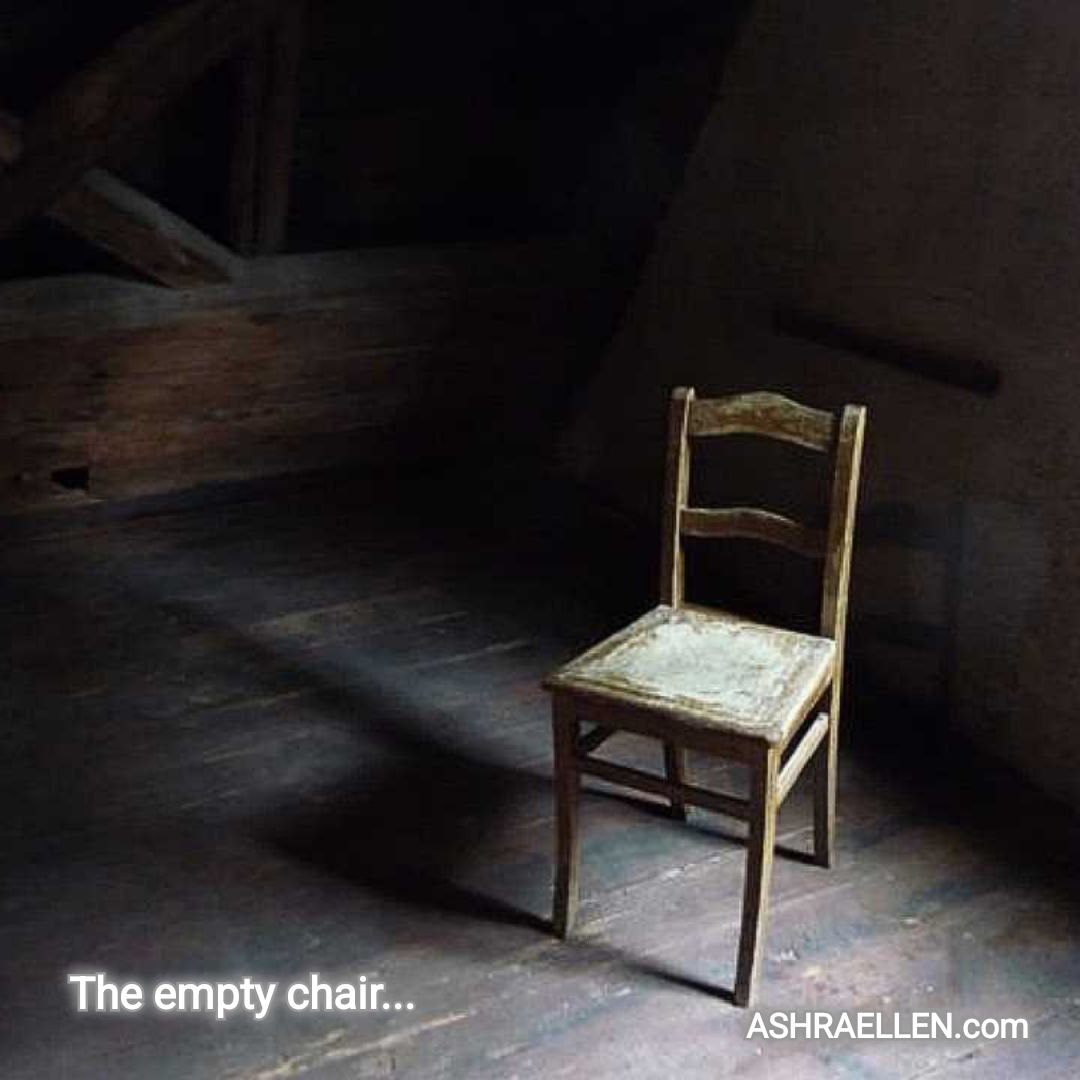
An empty chair.

No one occupies it fully anymore.

You can go on living.

Laughing.

Working.

Building new plans.

Meeting other people.

But sometimes your gaze accidentally falls inward —

and you see that chair.

Not as pain.

Not always as longing.

More as a quiet testimony that someone really was important.

The soul is not a hotel.

You cannot simply evict a person from it if they once became part of your inner space.

You can let go.

You can forgive.

You can stop waiting.

But the empty chair remains.

Not so that you suffer.

But so that you remember: some people do not leave completely.

They simply stop sitting beside us...

Why this was chosen

This support thought was chosen because it marks the fine line between attachment and memory. It does not demand the return of what is gone, but it admits that what truly mattered leaves a form inside the human being.

Research note

The image of the empty chair works as a concrete metaphor of presence-in-absence. It is not a psychological explanation of separation, but an observation of how the soul preserves the trace of a significant person without needing to turn that trace into drama.

Ashraellen symbol— mark of presence