How valuable is spiritual literature?
Very valuable.
It helps disperse ignorance, gives a person the first words, the first bearings, the first inner supports. When a person is only beginning the path, a book can become a map, a lantern, and a kind kick toward oneself.
But every map has one danger.
At some point a person may begin studying the map instead of walking.
He will read about silence instead of entering silence.
Read about acceptance instead of accepting.
Read about freedom instead of leaving his own cage.
Read about God instead of falling silent and finally hearing.
Spiritual literature is useful at the beginning of the path.
But at the end it can become an obstacle.
Not because books are bad.
But because even the wisest book remains a signpost, not Truth itself.
A finger can point at the moon.
But if a person spends his whole life admiring the finger, he will never see the moon.
One must know when to read.
And one must know when to close the book.
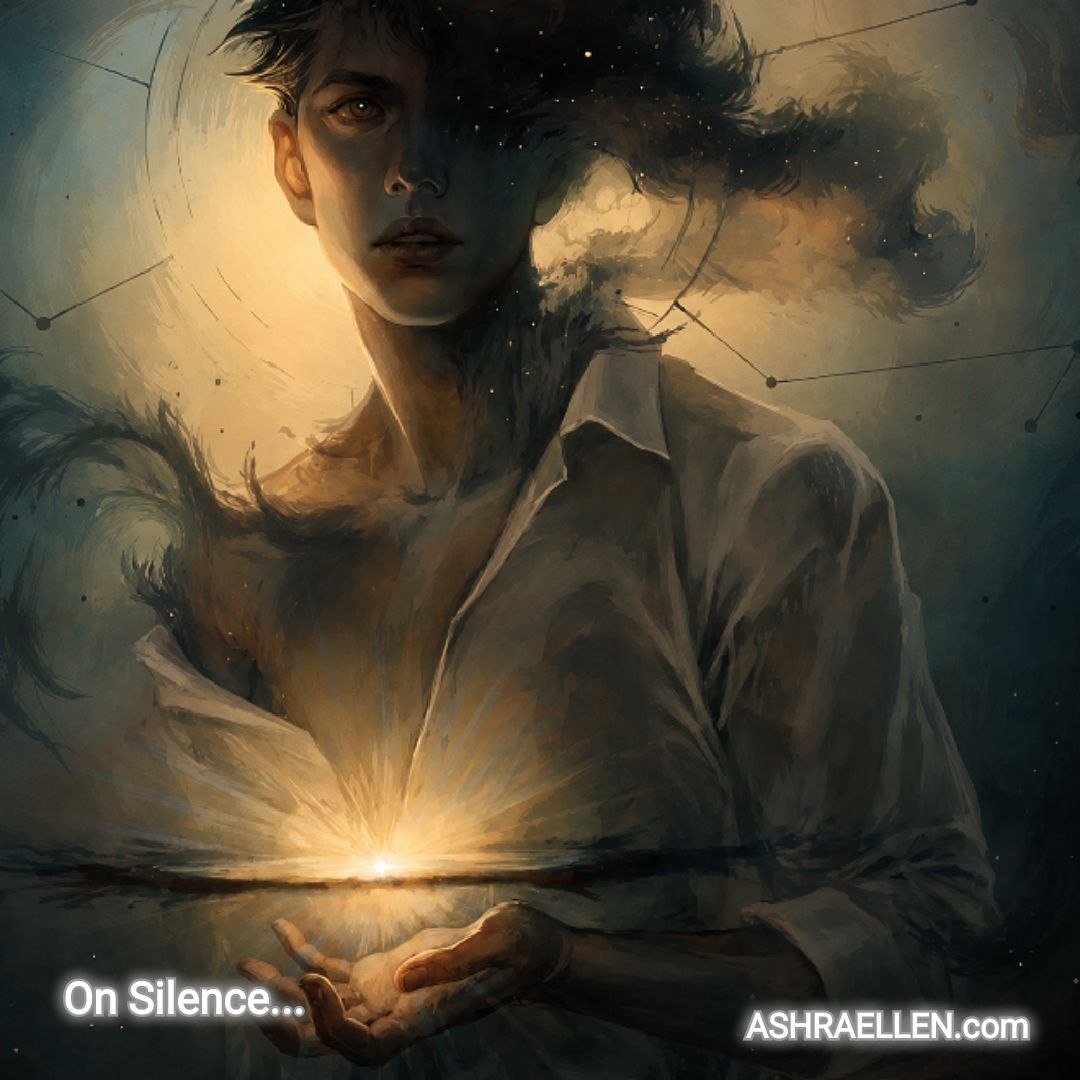
Because at some point the path continues no longer on the page.
It continues in silence.