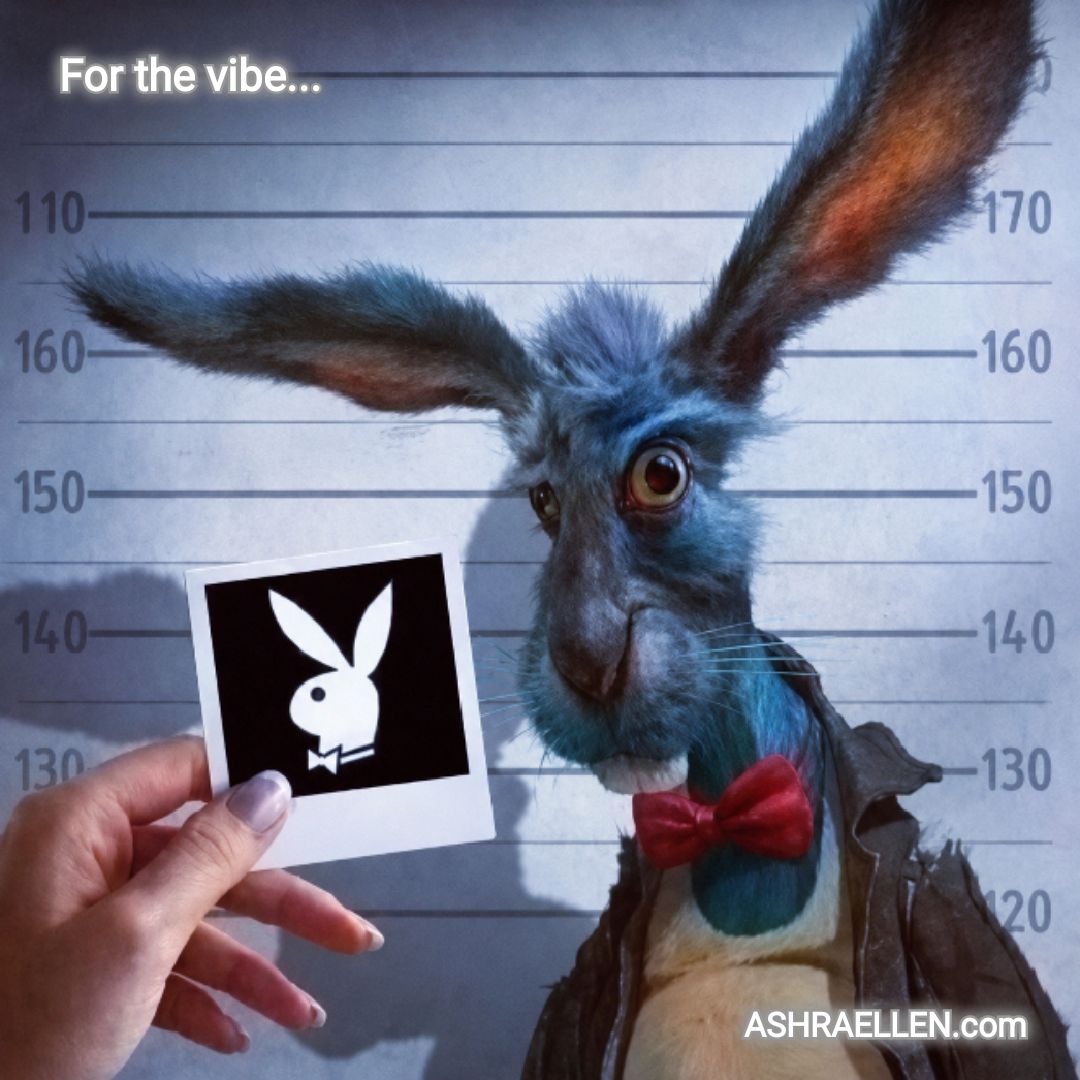
Many people devote their lives to realizing the concept of what they are supposed to be.
Not themselves.
The concept.
The image.
The role.
The picture.
An inner poster that says: “This is how they must see me.”
A person may spend years building the right face.
The right biography.
The right spirituality.
The right success.
The right modesty.
The right strength.
The right pain, if there is not yet enough strength.
And all of this may look very convincing.
From the outside.
But inside, the living person remains somewhere to the side, like a forgotten child at a railway station, while the serious adult image rides away in a beautiful suit to represent his life before the public.
The difference between self-realization and the realization of one’s own image is very important.
Self-realization is when a person unfolds what truly lives within him.
The realization of an image is when he tries to become what he thinks he is obliged to be.
For parents.
For society.
For a partner.
For a spiritual crowd.
For followers.
For his own pride.
For the strict inner overseer who keeps whispering: “Not enough. More. Higher. Cleaner. More convincing.”
Many people do not live for themselves.
They live for their image.
They feed it.
Defend it.
Justify it.
Dress it in clever words.
Update its facade.
Lead it out into the world.
And then they wonder why it is empty inside.
Because an image may receive recognition.
But it cannot be happy.
An image may be liked.
It may make an impression.
It may seem strong, wise, successful, spiritual, or special.
But only a real person can live.
And so the path to oneself begins not with the question:
“What should I be?”
But with the question:
“What in me is real?”
Everything else is window dressing in a shop where someone long ago forgot to open the door...