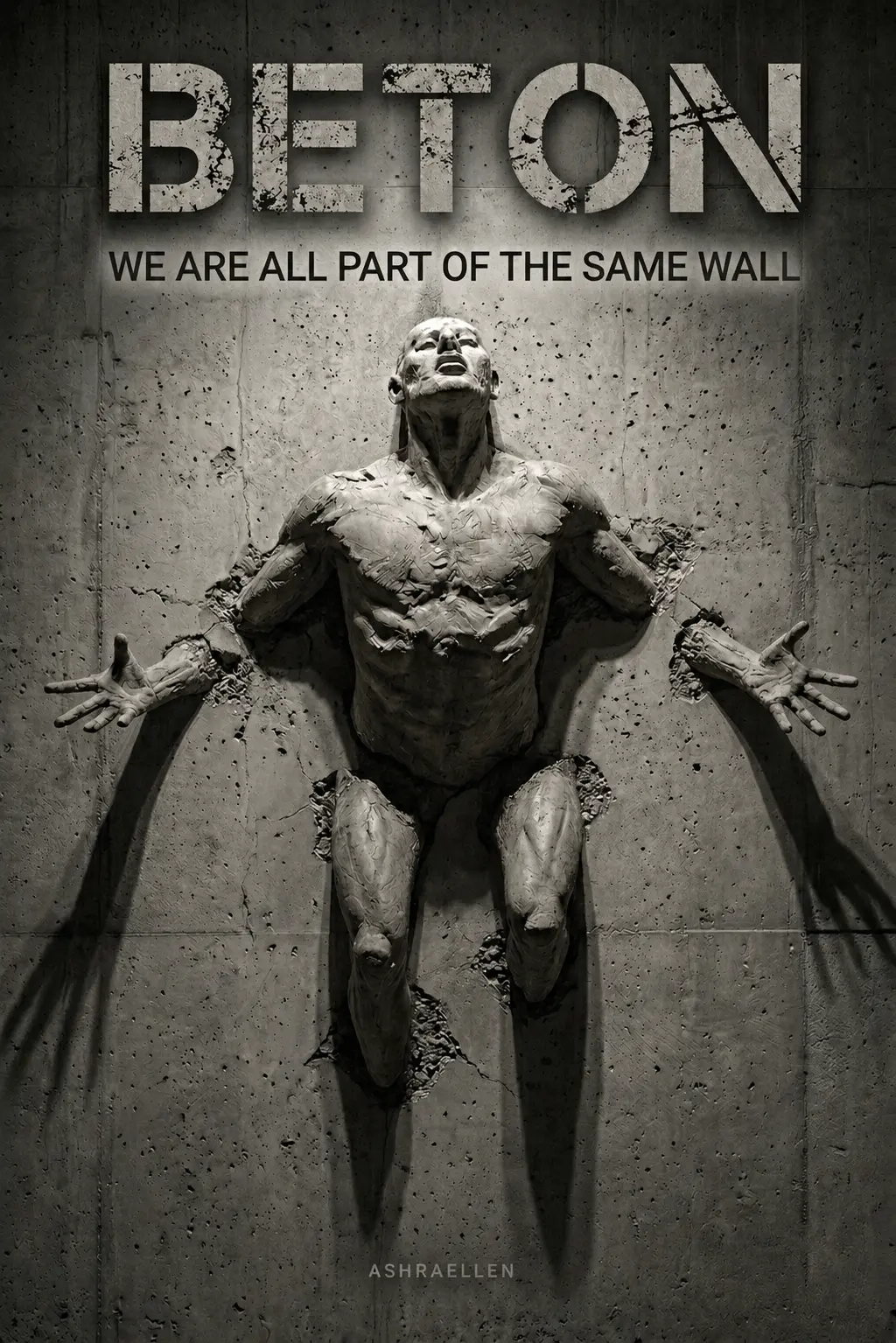
Volume I — BETON
Stability becomes a prison. Memory is edited. The first crack appears within the System itself.
Open volumeAshraellen
PROTOCOL OF THE DISINTEGRATION OF SOCIAL MATTER / BETON — SLUDGE — GAS
MONOLITH is a literary-philosophical dystopian trilogy about control, memory and the collapse of systems. Its three volumes record the passage of social matter through three states: BETON, SLUDGE and GAS—from hardened stability to viscous deformation and the complete decompression of form.
The system does not fear rebellion.
It fears the first crack.
BETON / SLUDGE / GAS
Before you is a chronicle of controlled disintegration: a consecutive record of the phase transition of social matter, captured in three states—BETON, SLUDGE and GAS.
What matters here is not a forecast of the future, but the material of the present: an order that was called safety for too long; a memory that is easier to correct than to hear; a person who begins to notice the crack before the system admits that it exists.
BETON is the stage of hardened stability, where order becomes a prison. SLUDGE is the stage of viscous deformation, where a person gradually loses form and begins to consent to the environment. GAS is the stage of decompression, where former structures can no longer contain meaning.
This is not fiction about a distant future. It is a severe artistic record of the way a system enters memory, language, the body, fear, habit and normality.
open a book page
Stability becomes a prison. Memory is edited. The first crack appears within the System itself.
Open volume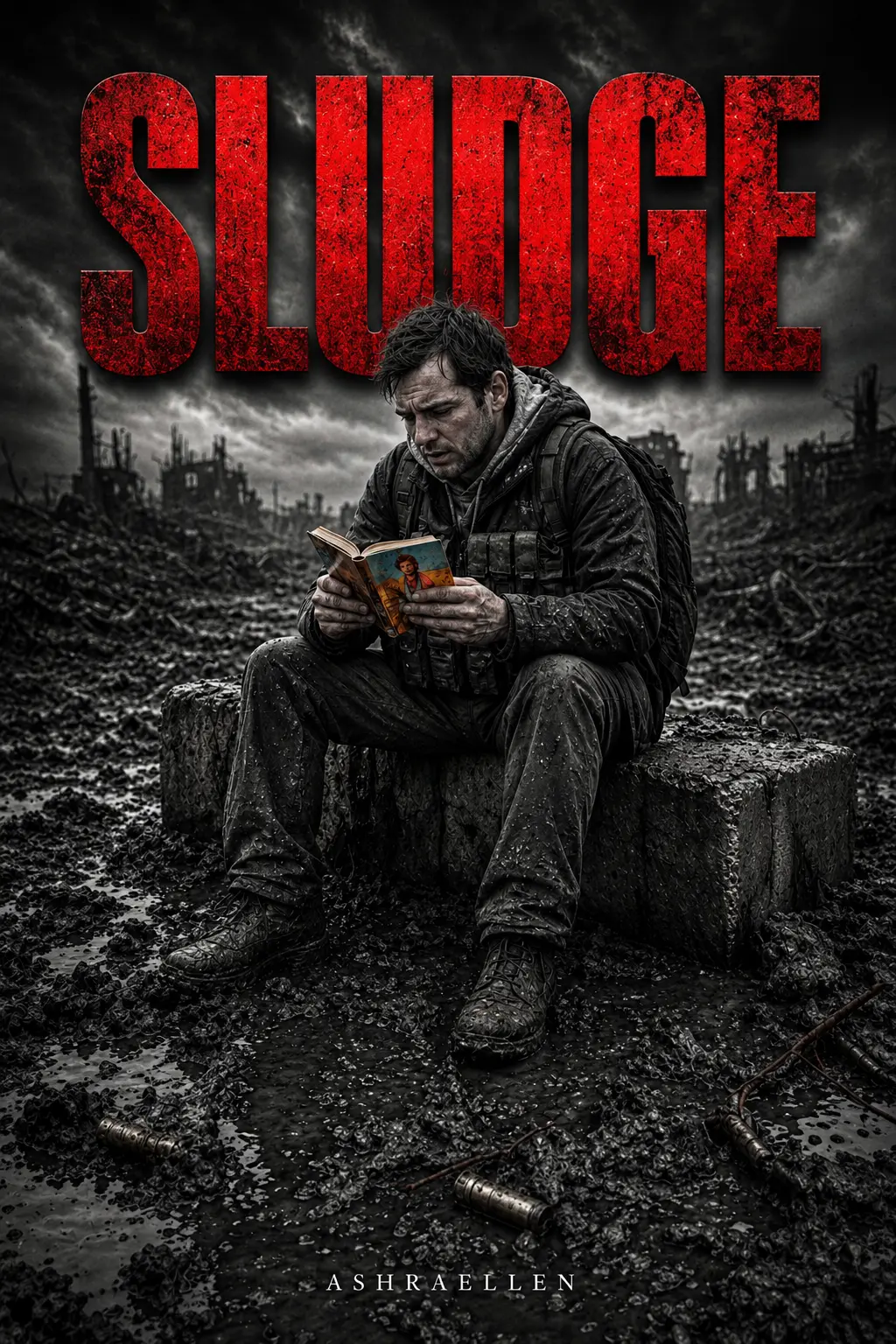
After the first crack, form begins to disintegrate. A person gradually becomes part of the environment’s substance.
Open volume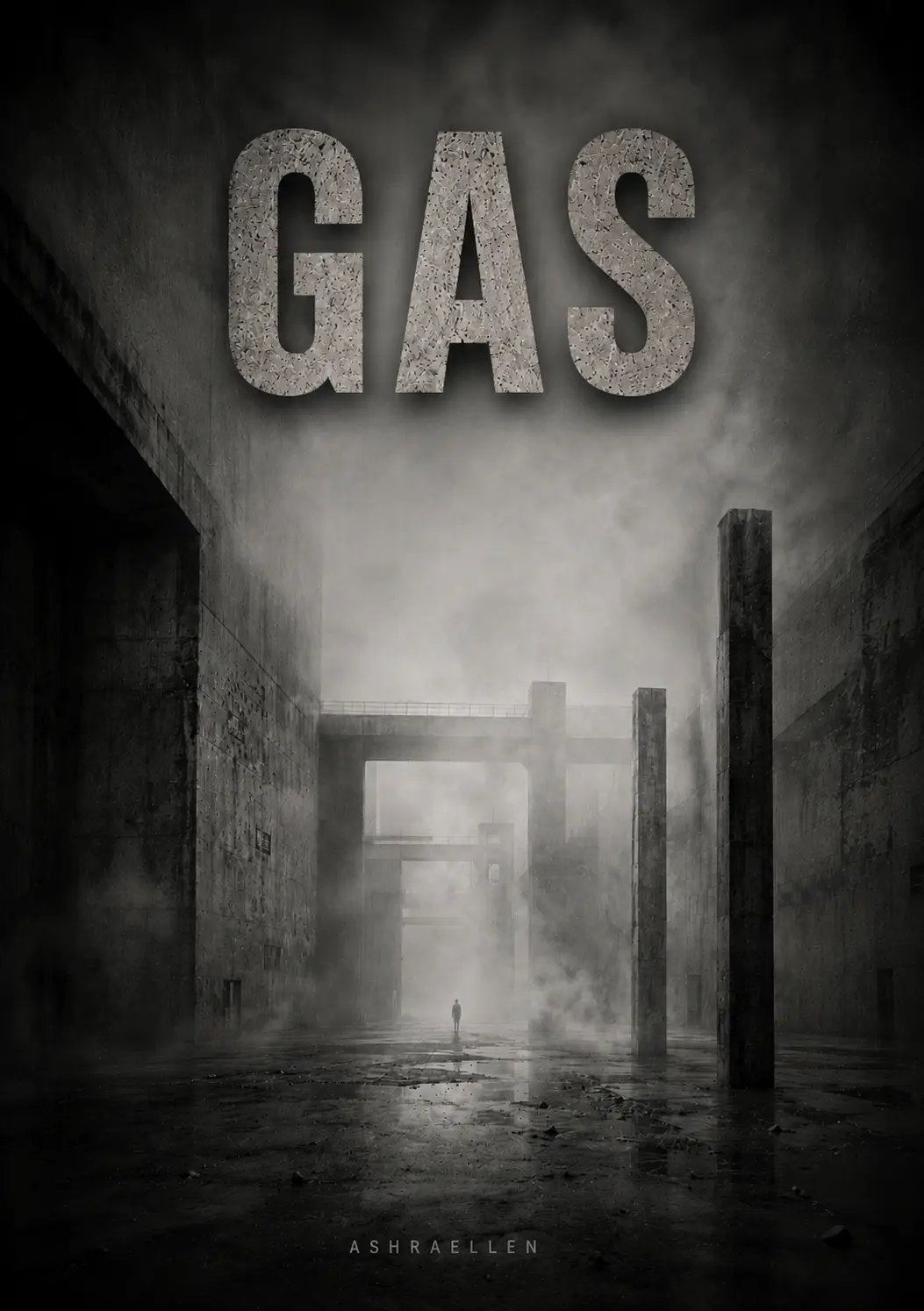
Final decompression. Meaning begins to spread where the former form can no longer contain pressure.
Open volumecontrol, memory, form
MONOLITH studies the system not as an external villain, but as a way of organising perception. Control operates here not only through orders, prohibitions or punishment. It enters language, everyday norms, memory, the fear of error and the habit of agreeing with whatever has already been named correct.
Artistic form makes visible what direct explanation struggles to show: the moment when a person still believes they think for themselves, although their inner reactions have already been calibrated. They do not remember everything that happened. They do not fear everything that is dangerous. They agree not because they are convinced, but because the environment trained them long ago to choose a convenient version of reality.
The trilogy works with the image of social matter. In BETON, society hardens: form appears eternal and a crack becomes a crime. In SLUDGE, that form softens: pressure no longer resembles a wall; it becomes an environment. In GAS, the structures that contained it decompress: control tries to stop being visible and dissolve into the very air of normality.
MONOLITH does not explain the system through a lecture. It records it through a scene, a protocol, a smell, a memory, a procedure, fatigue, failure and internal noise. Research takes place not above the text, but inside it—where a person first notices that their reality was edited before they began to defend it.
three states / nine signs
hardened stability
Form appears eternal because everything alive within it has already been declared a defect.
viscous deformation
Form no longer protects the person, but still keeps them inside the environment.
decompression of form
Former containers break down, while control tries to become invisible and familiar.
readers and professional context
MONOLITH may speak to readers who want dystopia without decorative neon or convenient heroics: severe philosophical prose about control, memory, fear, systemic pressure and a person who begins to hear a fault inside an excessively ordered world.
The series is open to publishing, translation and editorial collaboration. Its professional interest lies in combining dystopian form, philosophical prose and artistic research into control, memory and the collapse of systems.
the series’ boundaries
MONOLITH is not a forecast of the future. It does not claim that the world must become this way. It shows which processes become possible when control enters memory, language, the body, fear and habit.
MONOLITH is not an instruction manual for rebellion. The series does not romanticise resistance or sell a heroic pose. It is interested in a quieter and more dangerous moment: the first internal crack.
MONOLITH is not a political pamphlet. Power matters here not as a signboard, party or regime, but as a logic capable of repeating itself in different systems, organisations, families, languages and ways of thinking.
MONOLITH is not decorative cyberpunk about gadgets. Technology is secondary. The main mechanism is the editing of reality, memory and the norm.
MONOLITH is not a technological fantasy. Its coldness lies not in machines, but in procedures, habits, reports, corrections, gentle formulations and a person’s consent to their own compression.
MONOLITH is an artistic investigation of how systemic logic enters a person so deeply that they begin to mistake pressure for order, fear for reasonableness and the absence of cracks for life.
signal
Disintegration does not begin when the wall falls.
It begins when a person first hears the hum inside it.
 — mark of presence